Governance
This is the rulebook table we still need to build. It keeps the adventure honest: missing voices, legal memory, public-private boundaries, future sensorium data, cryptographic proof ideas and grassroots authority all sit in the room before the system starts shaping action.
Extra Chair method
Every future expedition keeps a seat for the missing stakeholder.
The Extra Chair is a simple governance habit. When a group models an unusual claim, event, film world, data feed or civic action, it names who is not present but affected. That chair can represent future residents, Country, cultural authority, non-human nature, legal duty, privacy, a sceptic, or the public who will inherit the consequences.
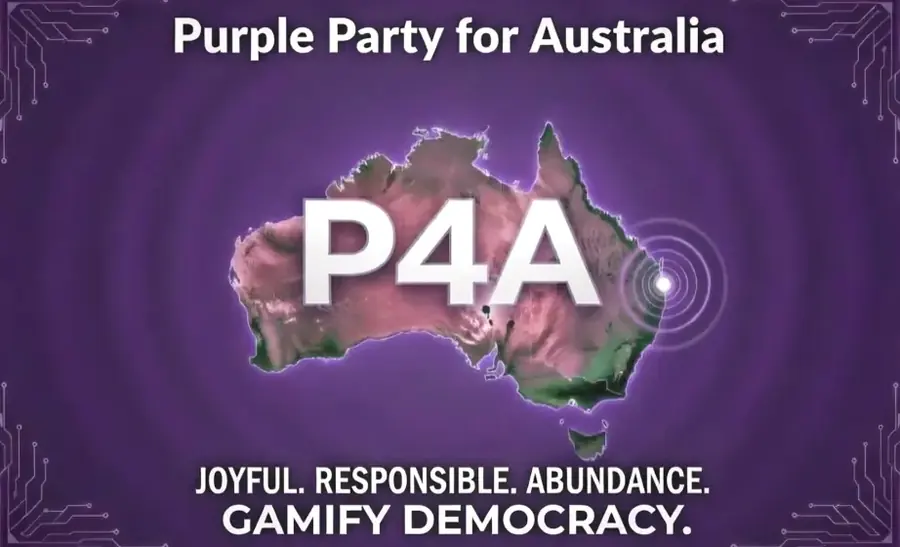
P4A and Web3 Sensorium
Grassroots governance needs instruments, not theatre.
Cosmic Nexus does not have a deployed global Sensorium yet. This page sketches the tools worth building: local-first records, public ledgers, legal memory, open debate, route planning and human review.
L0 to L2 scale
Start with private self/home context, widen to local mesh by consent, then move to civic front only after public review.
Open P4A architecture
Legal Memory
Confusing rules, source trails, jurisdictions and risks become inspectable context that humans and authorised agents can review before action.
Open Legal Memory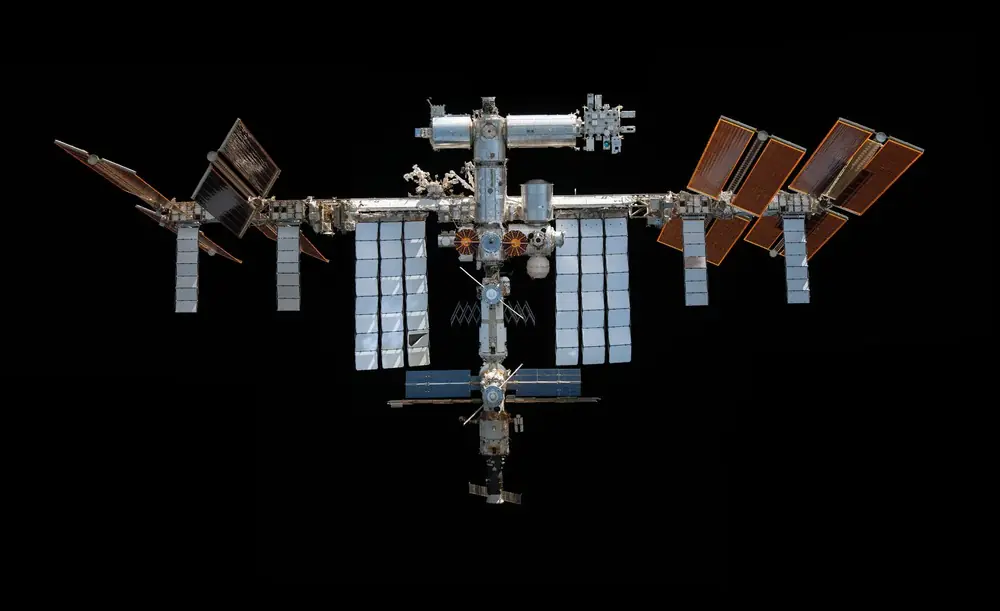
Peaceful space review
The AUKUS Space Gambit is a nearby example of turning a bold idea into a strict public review hypothesis.
Open Space Gambit
Cryptographically proven civic intelligence
This is a design target, not a claim of current infrastructure.
Cosmic Nexus can help describe a future Web3 Sensorium where observations, models, contributions and decisions carry source trails. The aim is useful civic intelligence: better travel coordination, disaster readiness, scientific debate, heritage mapping, ocean stewardship, space-weather literacy, film education and grassroots planning.
Guardrail
A sensorium is not permission to surveil.
Open data, signed contributions, public records and models can help communities reason together. They must not become a giant public database of private lives, cultural knowledge or sensitive place signals.
Why build it
Many reasons to build it, one governance spine.
The same responsible pattern can support different worlds of work without pretending they are already merged into one finished product.
Let competing models expose assumptions, evidence, predictions and failure modes.
Space weather, earthquake, flood, fire and infrastructure signals can be watched with calmer public context.
Records, carvings, maps and field notes can become structured archives with permission and correction paths.
Treasure hunting, wrecks, sonar and blue-domain research need lawful access, ecology and provenance.
Films and festivals can turn models into stories people can test and improve.
Routes, hosts, events and meetups can be planned with visible consent, safety notes and local knowledge.