View
Viewing has its own terms.A person may view material for a named activity while every other operation remains a separate conversation.
 Ready S.E.T. Co-opCultural Intelligence Node
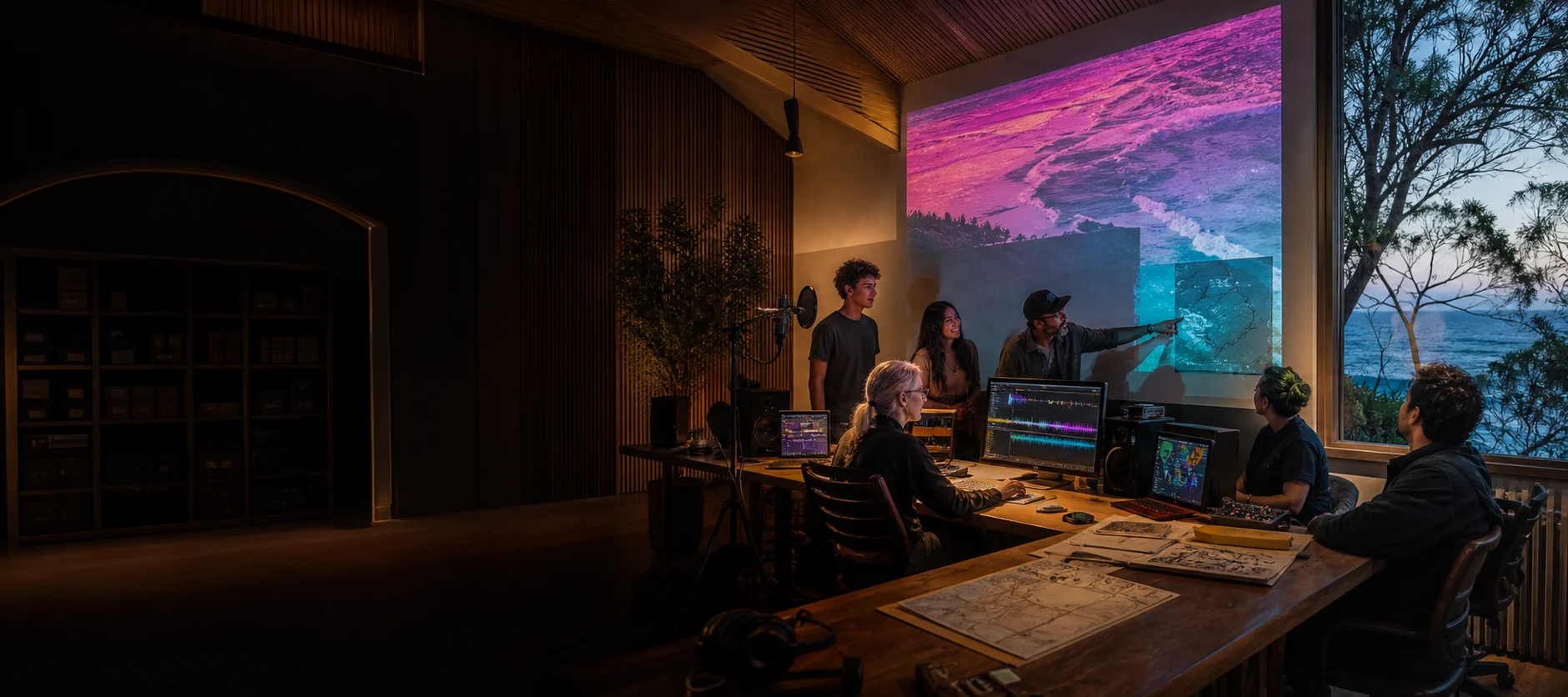
Indigenous and non-Indigenous collaboration takes form through specific people, projects and places. The node keeps each purpose, relationship, permission and output visible through the work.
One interview, event, film or place record may carry individual, family, organisational, community and cultural relationships at the same time.
Living relationship
People connected to the activity bring context, standing, memory and interpretation.
Named purpose
Viewing, storage, transcription, model work, publication and retention remain separate choices.
Visible record
Custody, access period, attribution, review and withdrawal travel with the material.
Every operation stays visible at once. A choice around viewing does not silently become storage, transcription, model work or publication.
A person may view material for a named activity while every other operation remains a separate conversation.
The record identifies working files, backups, logs, temporary copies, who holds them and when review returns.
Speech, names, language, context and corrections stay connected to contributors and the purpose of the project.
The project records source material, local processing, model artefacts, access, evaluation and selected outputs.
A public film, event listing or model view carries its source, contributors, credits, version and reuse terms.
People revisit access, purpose, corrections, retention and withdrawal as material and projects develop over time.
A file may carry individual, family, organisational, community and cultural relationships at once.
Viewing, preserving, teaching, transcribing and model training are separate uses.
Local storage, backups, logs, temporary copies and external services all matter.
Access decisions, changes and exports need a history that relevant people understand.
Review dates, withdrawal pathways and deletion limits belong in the first conversation.
A project may record a direction or boundary while the knowledge itself stays in living relationship.
These public frameworks add practical questions about collective benefit, control, responsibility, ethics and research relationships. Each project still develops through its own people and context.