
An industrial system that can keep expanding
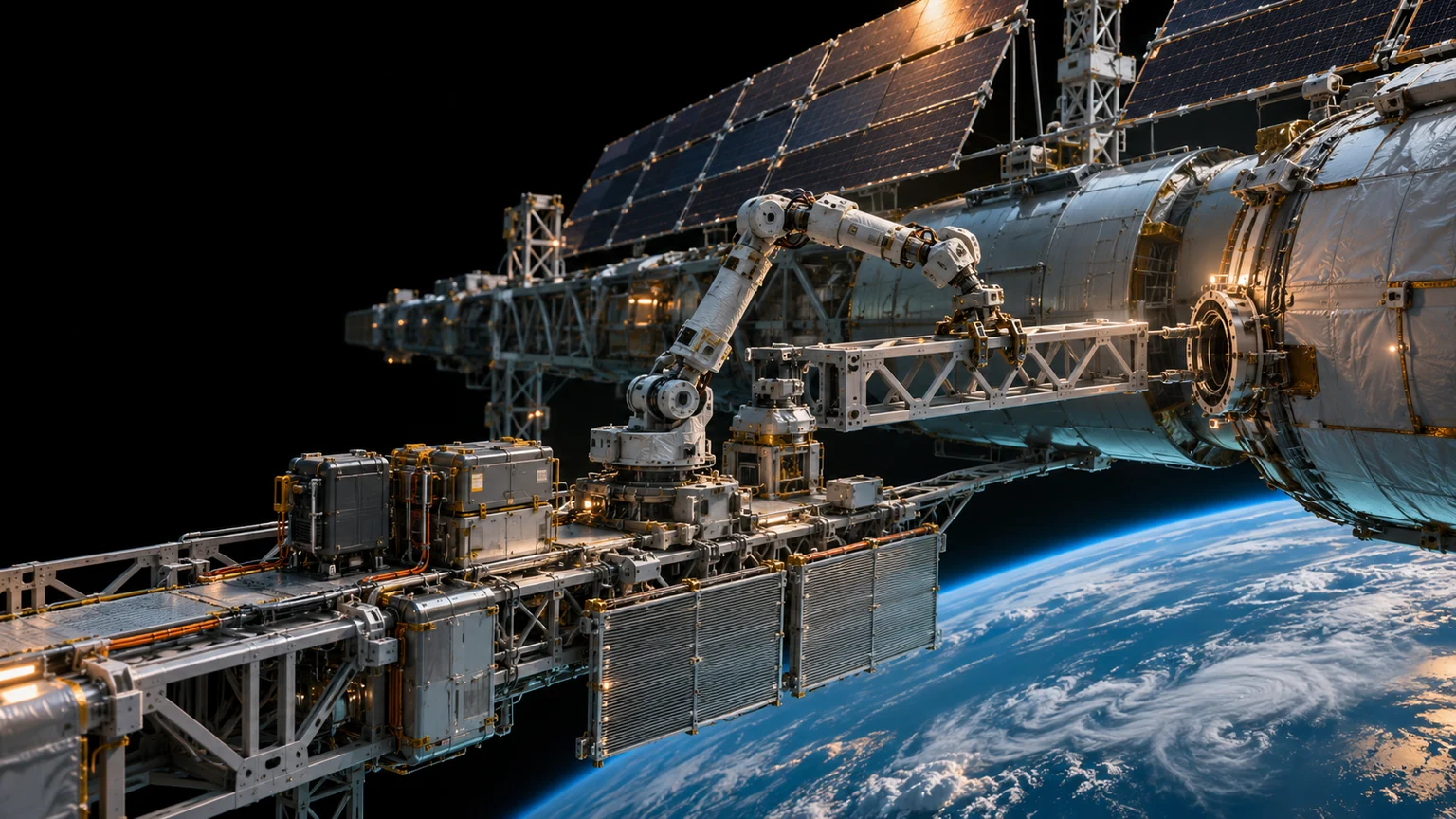
SpaceX and Tesla offer the paper's clearest example of an attempt to join several industries. Their associated programmes reach from processors, batteries and AI to satellites, reusable rockets, vehicles and humanoid robots. The important relationship is between those capabilities. Improvements in one part could make the others cheaper, faster or easier to expand. SpaceX’s installed capacity and spending · Tesla’s computing batteries and robots · The proposed integrated system
The paper records SpaceX's October 2026 results as reporting 1.7 gigawatts of installed rated capacity in its intelligence business at the end of September. Management targeted 2.5 to 3 gigawatts by December and about another 10 during 2027. Those are dated reported results and management targets, with delivery still to be judged. The Terafab plan extended the ambition to chip production, with an eventual manufacturing goal equivalent to one terawatt of new power-rated computing equipment a year. The reported September capacity · Management’s year-end and 2027 targets · Terafab’s manufacturing ambition · SpaceX quarterly results · SpaceX management’s capacity targets · SpaceX prospectus and Terafab plan
That last phrase describes annual output. It is the pace at which machinery would be added. A stock of installed equipment builds as successive additions enter service and reduces as old equipment retires. Keeping the production rate separate from the operating fleet is essential throughout the paper. Annual manufacturing output · Commissioning rate and accumulated fleet
Power and transport in orbit
Orbit offers a further route. Computing spacecraft carry processors, solar arrays, communications and equipment for releasing heat. In a suitable orbit, solar power can be available with far less interruption from night and weather. The task becomes making and deploying the complete spacecraft, with adequate power and heat rejection for the computing load. Its electricity comes with it, so adding that orbital fleet need not wait for a new connection to a power grid on Earth. Solar power with the spacecraft · The complete orbital system · Google Research orbital-system design
The transport requirement is substantial. Using the paper's stated engineering assumption of 100 kilowatts of rated compute per tonne delivered, adding 100 gigawatts in a year requires one million tonnes of computing payload. At 100 tonnes per flight, that is 10,000 successful dedicated payload flights, averaging about 27 a day. These are calculated requirements of the ambition. They include neither spare capacity for failed launches nor all replacement needs. Payload and launch arithmetic · The daily flight requirement · The model’s mass and flight assumptions
Permissions and delivery must catch up with that scale. The paper distinguishes an application for up to one million satellites from an operating constellation. It also distinguishes proposed launch rates under environmental review from authorised flights. A working spacecraft is one test. A repeated service whose full costs, replacement schedule and customer performance are competitive is a larger one. Communications networks from Amazon and Blue Origin, Google's Project Suncatcher and Chinese demonstrations show several organisations pursuing parts of this opportunity. The satellite application · Launch sites and review processes · Amazon Leo · Other orbital programmes · FCC notice accepting the application · Louisiana campus announcement · FAA environmental-review materials
From a production line to a robot fleet
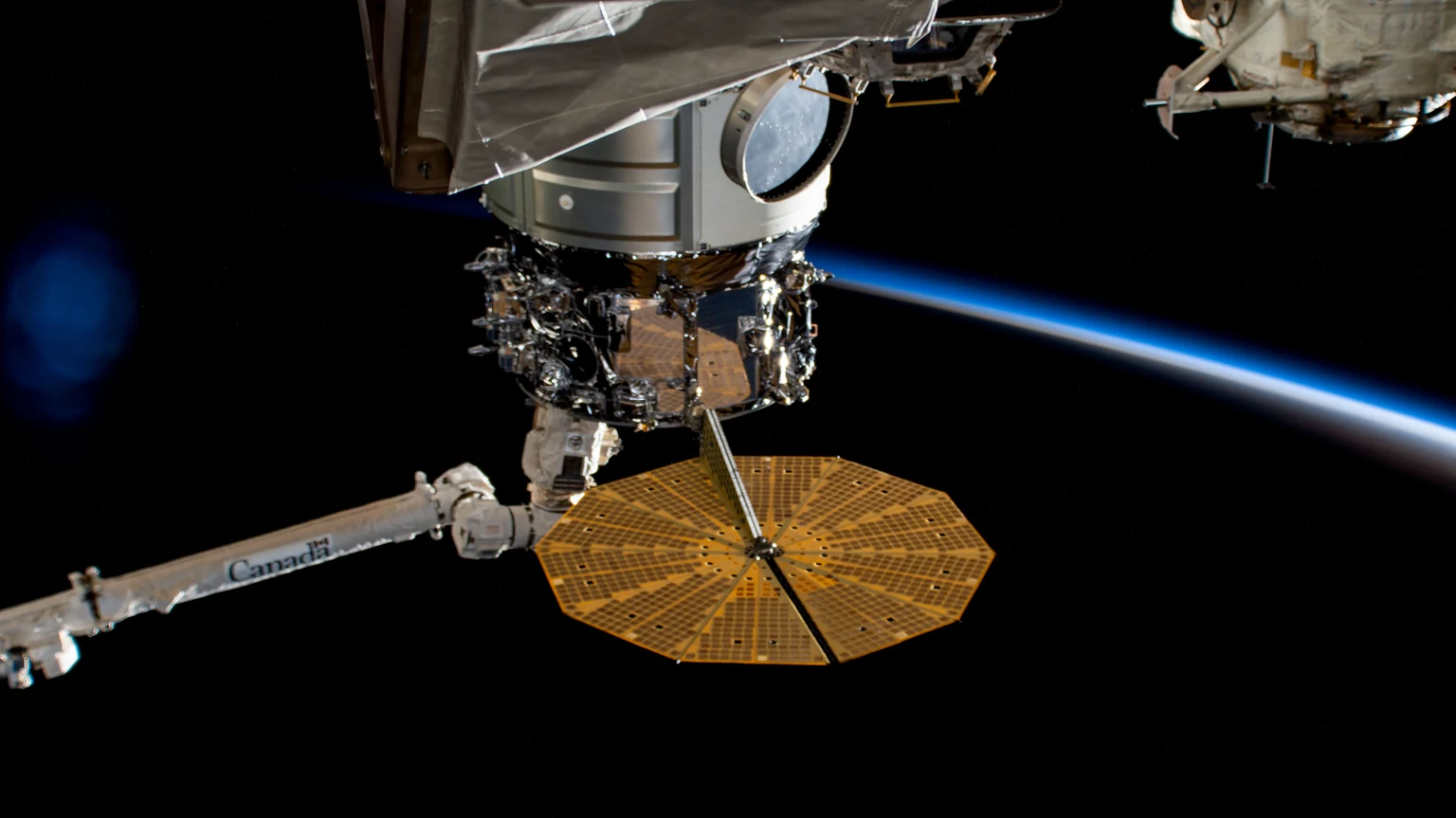
Robots could help accelerate production on Earth. An industrial robot might be a fixed factory arm. A humanoid has a more human-shaped body, while drones move through air, land or water. The paper records about five million established industrial robots worldwide in a September 2026 industry release. It follows emerging humanoid programmes separately, including Tesla, Figure, Hyundai, Unitree and AGIBOT. Designed factory capacity, machines actually produced and useful machines working for customers each need their own count. Different kinds of robot · The established industrial-robot fleet · Tesla’s production plans · Figure and Hyundai · Unitree and AGIBOT · International Federation of Robotics figures · Tesla manufacturing update
The strongest humanoid scenario in the paper reaches annual production of 409.6 million machines in 2036 and a surviving fleet of about 988 million under its five-year service-life assumption. That is a conditional calculation. At the scale of a proposed ten-million-unit annual production line, 410 million machines would need roughly 41 fully productive equivalents worldwide. At an illustrative 60 kilograms per robot, the annual output would embody about 24.6 million tonnes of finished machines. Those requirements help people test what such a claim entails. The production-line comparison · Illustrative robot material demand · The 2036 output and fleet cases · How surviving fleets were calculated
Making the feedback measurable
Materials and manufacturing can change the requirements. AI can help improve recovery from processed ore, suggest alternative materials or improve a design. Google DeepMind's GNoME announcement reported millions of candidate crystal structures. A candidate still has to be made, measured, incorporated into a qualified component and produced reliably at scale. Robotic laboratories can shorten parts of that journey by preparing and testing the next experiment. AI and copper recovery · Predicted crystal structures · Autonomous laboratory work · DeepMind’s GNoME announcement · A-Lab research paper
The feedback hypothesis gains strength when improvements reach production. Useful measures include output per line, the time to open another factory, material per machine, useful computing per watt and computing per tonne delivered to orbit. An improvement in one stage can expand what another can do. Repeated evidence of those improvements would support faster growth. The paper preserves the possibility of a much larger industrial system while giving its expansion concrete tests. Linking output to physical requirements · Observable tests of expansion · What would strengthen or weaken the hypothesis