

The question behind both papers
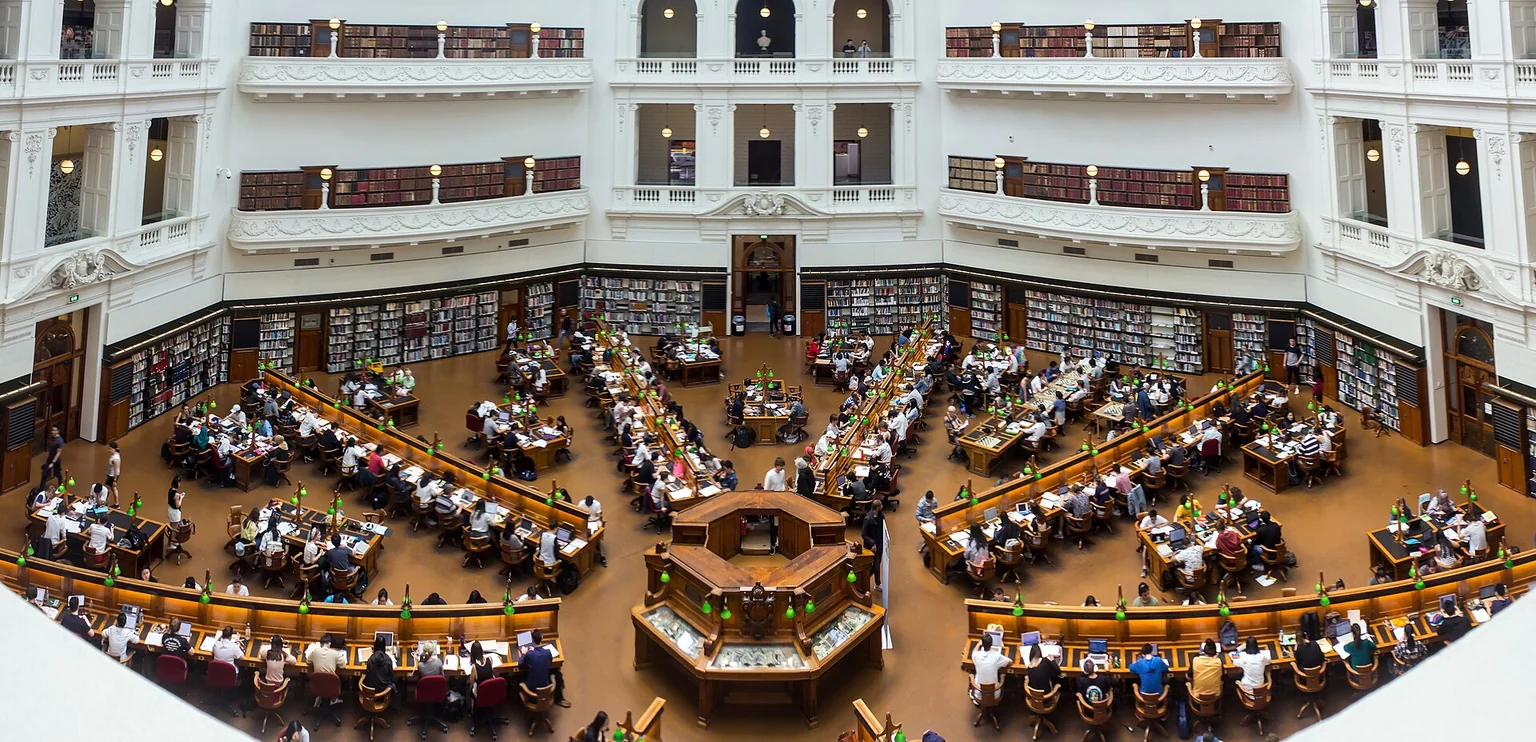
Imagine your local library could lend more than books. It could give people access to powerful computers, help them learn to use AI, and offer a place to work on local questions. Now add tools that let a person keep their own learning, check a bill, trace a public claim and share useful findings on their own terms.
The whole-system proposal asks what people need to build lives they can choose. The sovereignty paper follows who is building the larger machinery, who holds authority and how Australia can keep room to act. Read together, they make ownership, health, time and public evidence practical choices at personal, local, national and global scales.
What joyful responsible abundance means
Joyful asks whether life becomes more worth living, with room for relationships, discovery, creativity, rest and belonging. Responsible asks who decides, who bears the consequences and how mistakes can be corrected. Abundance asks whether useful capabilities become more available and more widely shared.
Held together, these words give people questions they can apply to a real decision. A quicker service may save time. It also matters whose time it saves, who can access it and what happens when it makes a mistake.
How the pieces work together
Start with someone who needs a safer route into a community hall. Their personal record can hold the photographs and what they tried. A public workbench can help find the responsible institution. Shared computing can support a map or a drainage model. A community record can show what work was contributed and whether the repair happened.
The person gains a skill. The community gains an account it can check. Another town can try the method and improve it. That repeated process connects individual learning with public capability.
Explore the connection tree or follow the worked example from notice to repair.
Why this deserves attention now
The sovereignty paper examines a race involving AI models, chips, electricity, finance, factories, robotics and ambitions in orbit. Its central concern is that decisions made during construction can shape who owns the resulting capability and who can direct it later.
A household can change an appliance more easily than a country can replace an energy system. Similar differences appear when a public service depends on proprietary software, contracts, technical skills and data arrangements built up over many years. Understanding those dependencies while choices remain open is part of sovereignty.
Read the introduction to the race. The complete paper keeps reported figures, company targets and the author’s conditional scenarios in view.
Choose a way through
For the human side, begin with people and practice, then move to shared capacity, public decisions and global cooperation. For the larger forces, begin with superintelligence and sovereignty.
Use Words explained whenever a term is unfamiliar. The library links the source papers and references. The project directory leads to public tools, sites and repositories you can inspect.