

Personal and democratic intelligence
Aura of Intelligence
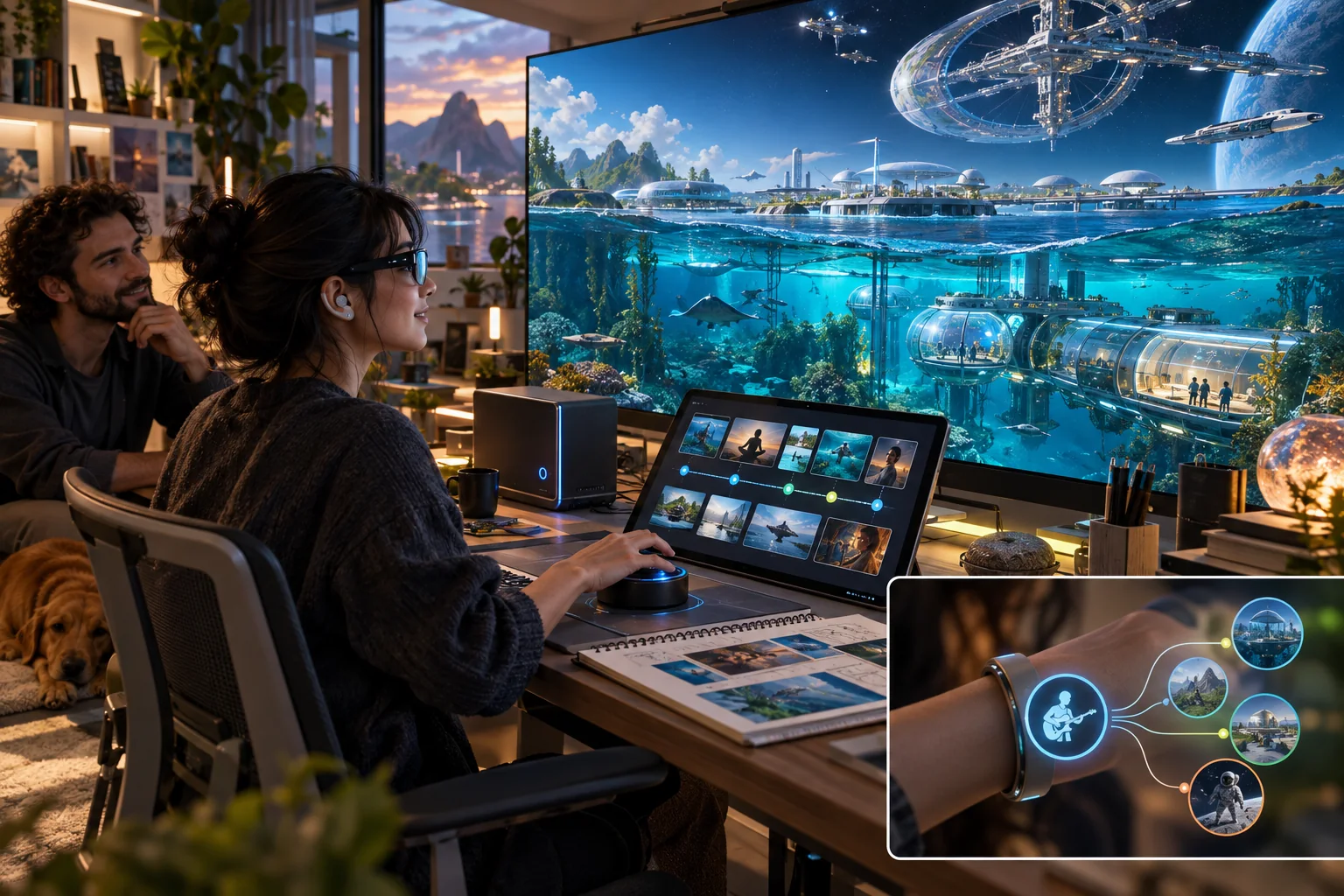
Aura of Intelligence is a personal digital companion organised around information a person chooses to bring together: memories, skills, interests, values, relationships, health information, projects and questions. Its developing digital twin is not a claim that software has perfectly copied a human. It is a structured representation that can become more useful over time.
Control is the critical boundary. A job applicant might share qualifications without sharing a health history. A researcher might share a result without exposing every underlying record. A First Nation might choose what cultural information can be used locally without treating it as raw material for somebody else's model. A person or community should remain able to say yes, no, not yet, show me, let me leave, and let me take what belongs to me. That is practical self-sovereignty.
Aura Genesis and dual alignment
Aura Genesis is a proposed voluntary reflection journey connecting personal history, values, goals, relationships, health, creativity and the digital twin. It is not a government personality test and does not determine who receives rights. It helps a person ask: what do I claim to value, what do I actually do, where did those values come from, which have changed, what hurts, what do I want, what do I fear, and what future would I choose?
AI can help organise the reflection without becoming the authority that decides whether answers are correct. Billions of people could reflect, disagree and find common ground without being compressed into my values, one government's values or a corporate values vector. GAJRA Earth's cross-cultural inquiry can extend that personal alignment into civic and global dialogue, while the results, with appropriate permission and provenance, can inform AI alignment.
P4A and democratic participation
P4A, the proposed Purple Party for Australia, experiments with making law and civic choices understandable enough that ordinary people may want to engage. It combines legal reflection, digital tools, modelling, simulation and humour. Someone exhausted by politics may never open a 400-page consultation paper, but a funny video, game, satirical character or ridiculous hypothetical may reveal a real contradiction. Under the joke should sit the sources, law, numbers, competing arguments and uncertainty.
Laughter can be an intellectual on-ramp.
Disenfranchised does not mean stupid. A democracy everybody dreads is not joyful. One where deliberate deception has no consequence is not responsible. One only insiders understand is not abundant in civic intelligence.
My longer Australian horizon includes exploring a cyber-republic referendum no later than 2031, after deeper public reflection on Australian laws and international obligations. This is a proposed horizon, not an announced referendum or a result I assume Australians would choose. The wider question is whether technology can help people understand their systems well enough to shape them.
The Braided Economy
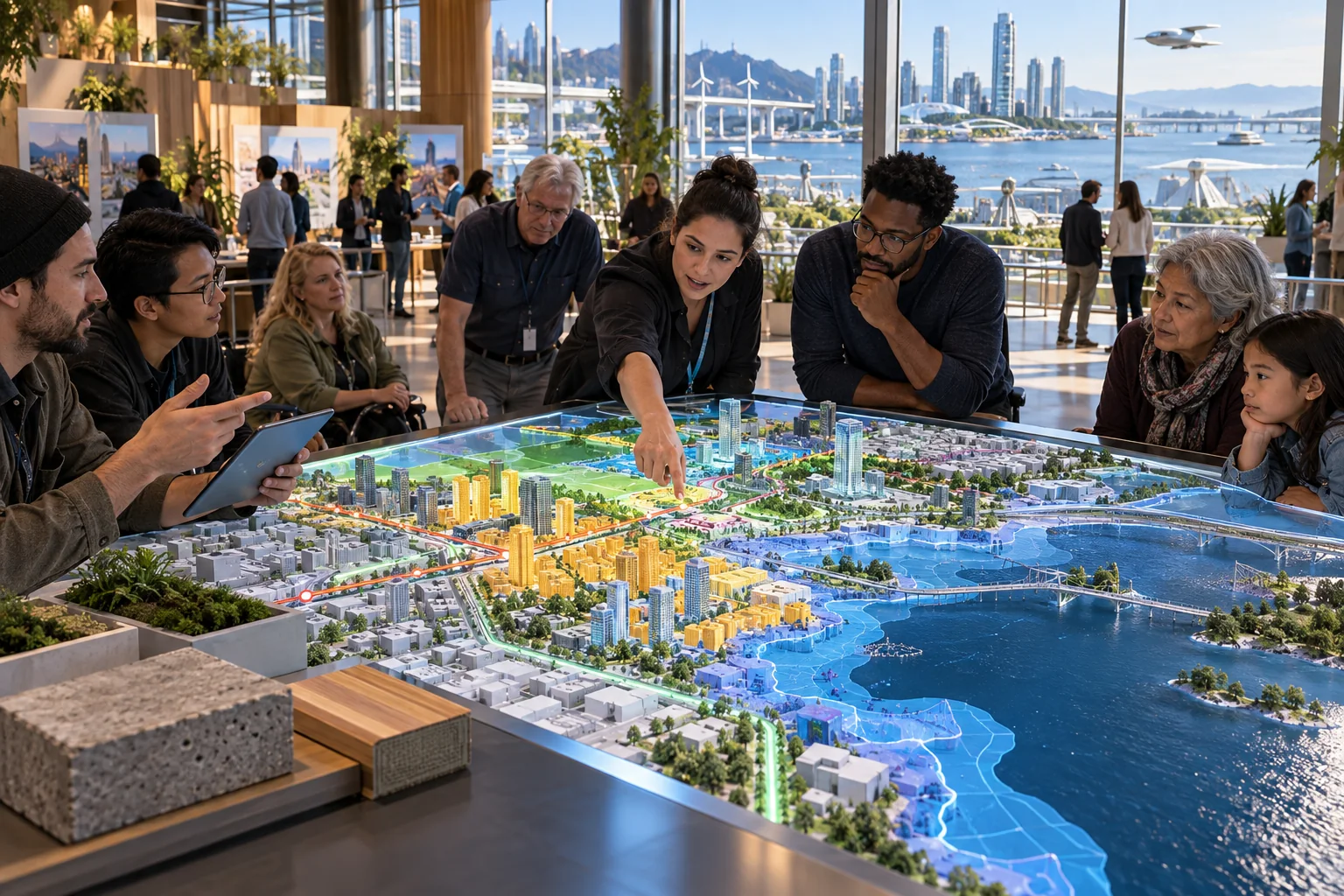
The Braided Economy keeps money doing its necessary work while recognising other kinds of value. Alongside the financial ledger, one record could acknowledge genuine voluntary contribution and another the result.
One verified hour of voluntary contribution is a Community-Hour, or C-Hour. Someone may restore habitat, teach computing or help prepare for disaster. One hour remains one hour, without a dollar exchange rate or investment token. Paid work stays paid. Outcomes are then recorded separately: food saved, a skill learned, a service delivered, habitat restored or readiness improved.
Money, contribution and outcome are distinct forms of information. The purpose is not to monetise kindness. It is to stop pretending only the financial ledger contains value.