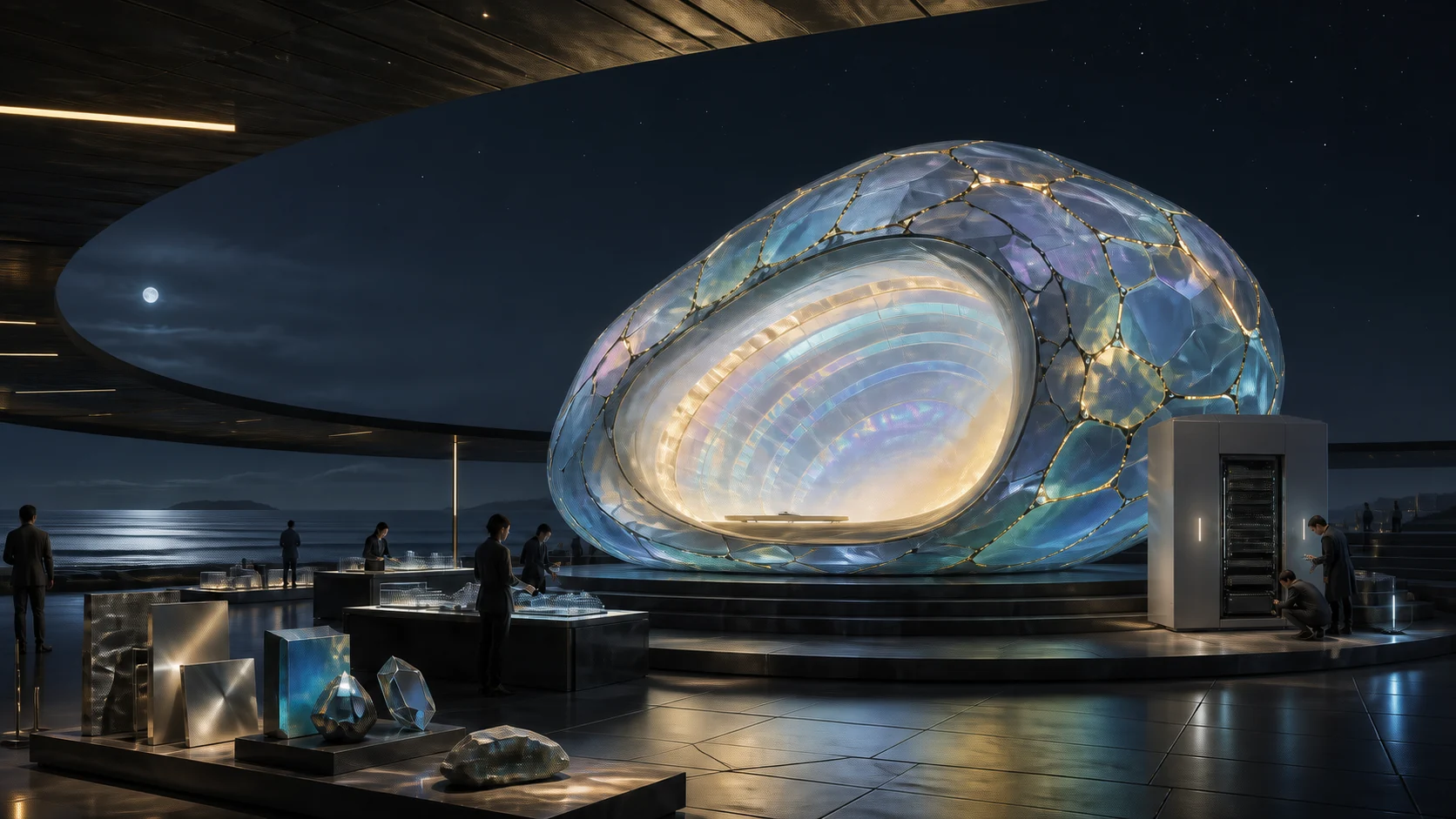
Imagined architectural artwork of an unoccupied translucent Geode chamber being studied by a small research team beside the ocean at night.

A luminous chamber.
A universe of possibility.

The Aura Geode research direction joins pressure engineering, a personal breathing atmosphere, sensory experience and owner-held computing. Its studies will explore how those parts work together for real people.

Imagined concept artwork

A joined-up research direction

The planned Geode programme joins professionally supported oxygen therapy with chosen light, sound, sensing and private reflection. The Geode concept gives that experience a physical form, while an owner-held digital twin is designed to help each person notice patterns over time.

The shared-access baseline explores a mass-produced chamber built with established hyperbaric materials and methods, at a draft A$35,000 target. The Aura Geode is the sportscar concept: a distinct, higher-spec mineral-shell design with its own materials, research programme and price still to be worked out.

Research plan

Oxygen, repair and the living cell

The research direction is set; the Geode trial remains in planning. Future studies would make their measurements, comparisons and results visible.

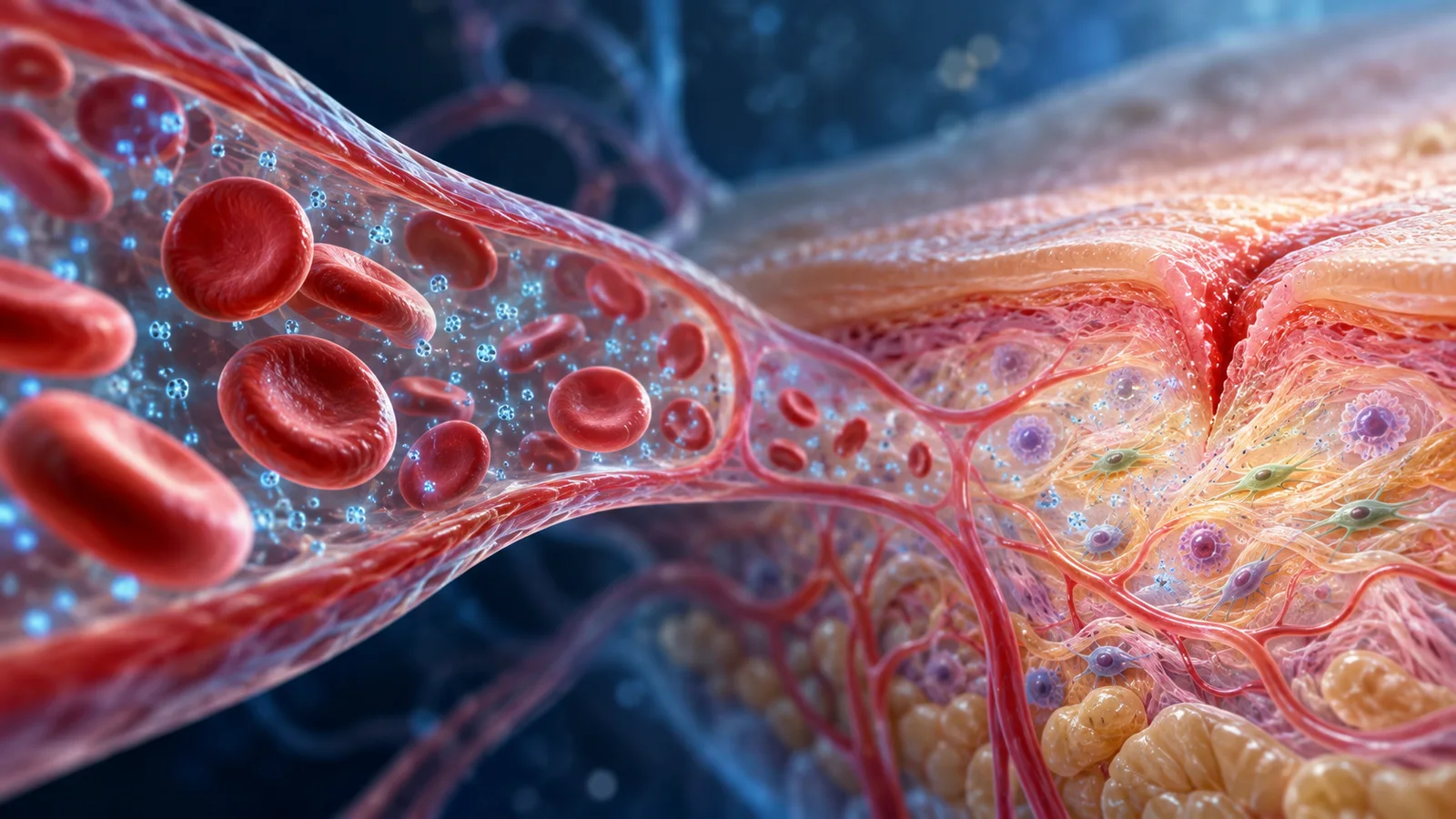
Concept biomedical artwork of oxygen carried in blood plasma toward a healing patch of skin.

Oxygen carried through plasma

Under pressure, more oxygen dissolves directly into blood plasma. That physical effect helps explain why hyperbaric oxygen therapy has a place in care for selected difficult wounds. The Geode trial is still a plan. It proposes measuring oxygen delivery and comfort; wound-healing outcomes would depend on the future study group and protocol.

Oxygen physiology and selected wound uses A separate, completed wound-healing trial

Concept laboratory artwork of chromosome ends and a blood sample used to explore telomere research.

Telomeres as a research signal

In a small, separate study of older adults, blood-cell telomere measurements changed after sixty oxygen sessions. That intriguing result opens a larger question about how different people respond over time. The planned Geode research proposes timed samples, comparison groups and follow-up to learn which changes hold.

Read the separate, completed telomere study

Four parts of one experience

Each part has its own job, giving designers clear ways to build, measure and improve the whole.

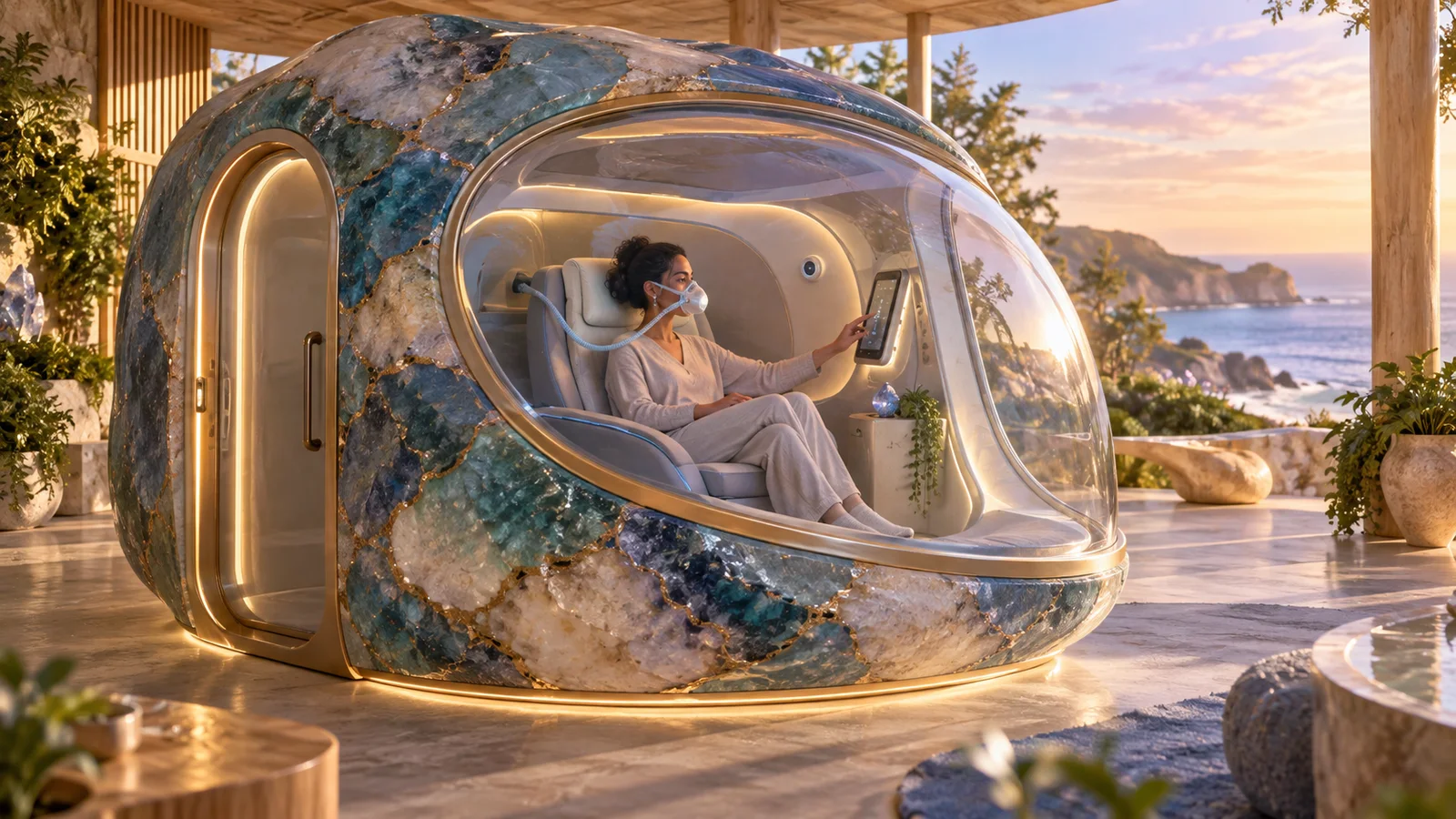
Concept design of a person inside a faceted mineral-shell Geode, using a personal screen during a supported chamber session.
Mineral-shell session concept. The person has room to choose and engage with their own sensory setting.
01

Structure

Shape and test a mineral-composite shell using proposed high-purity quartz sand from Minjerribah, blended with selected crystals and other materials.

02

Atmosphere

Study chamber pressure and a separately controlled breathing supply as two coordinated systems.

03

Sensory space

Explore music, light, scent and touch cues one by one, using equipment suited to its chamber setting and the person's preferences.

04

Local computing

Build the personal record on owner-held hardware. Session feedback and any chamber interface invite their own design and equipment review.

PPersonal AAtmosphere DDelivery SSystem

A personal atmosphere, designed around the person

The Personal Atmosphere Delivery System (PADS) concept explores a personal mask with a controlled breathing supply while the wider chamber uses a separately managed atmosphere. That separation creates a clear engineering question with real promise for comfort, control and research.

The proposed design route covers gas delivery, pressure behaviour, sensing, alarms and cleaning; full-system modelling; and prototype tests against the intended use and relevant device requirements. Named component records would support the path towards a human study.

Device research pathway

Two chamber paths

The drafts now resolve into two distinct chamber paths, each with its own design and price story. The mass-produced baseline draws on established pressure-vessel materials and methods. The bespoke Aura Geode explores a mineral-composite shell with Minjerribah quartz sand and selected crystal blends.

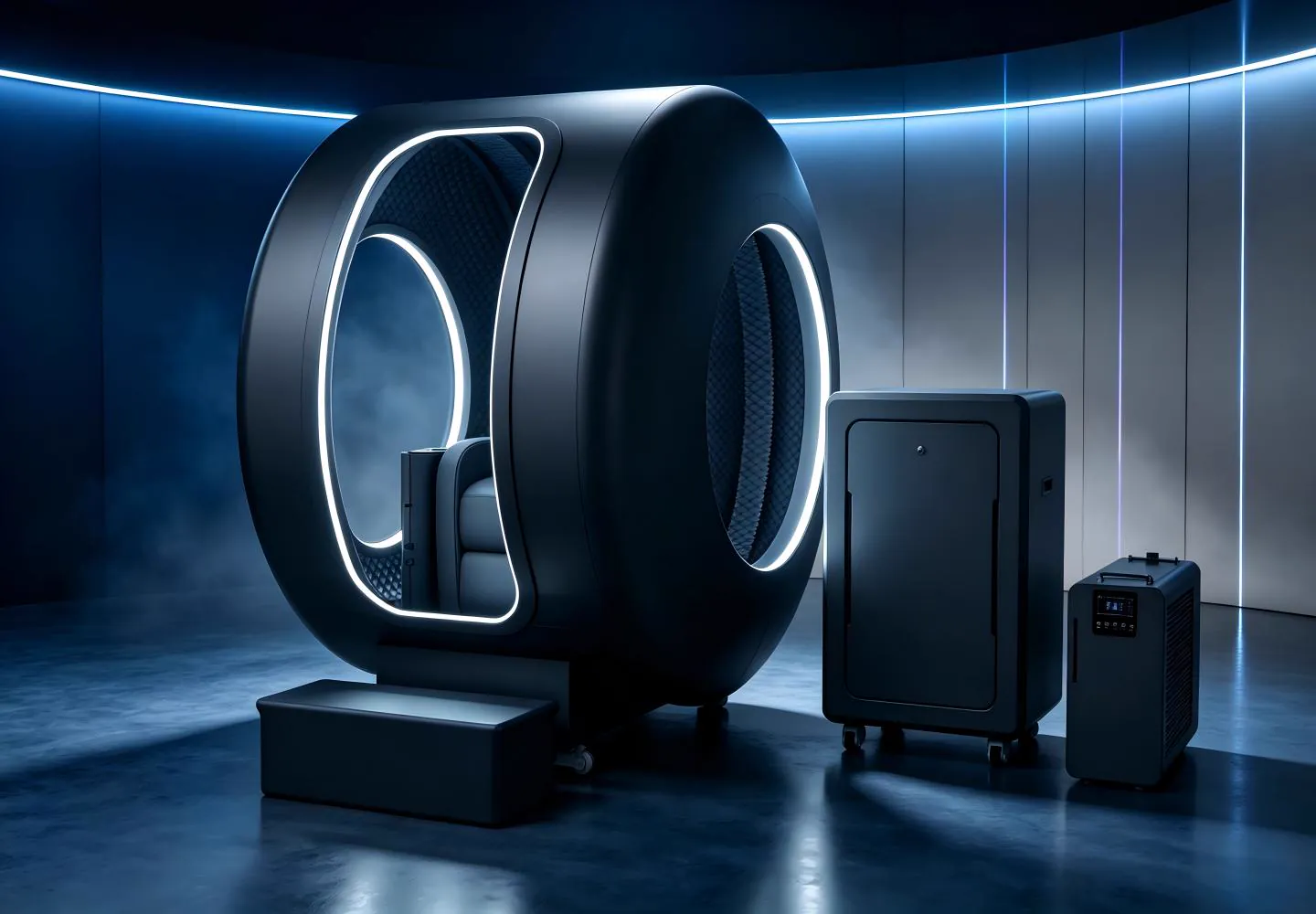
Supplier photograph of the real YF-1003 seated hard-shell chamber, shown as a design and price reference.

Shared-access baseline

A real seated, single-person hard-shell example helps ground the mass-produced baseline. A listing for the OSAIL YF-1003 gives US$20,000 FOB for one unit, about A$28,200 at the Reserve Bank's 23 September 2026 rate. Ten or more units list at US$19,000 each, about A$26,800. FOB means loaded at a named Chinese port; shipping to Australia, insurance, import charges, installation and Australian device requirements sit beyond that price.

The maker presents this example for non-medical wellness use. A future clinical co-operative would need a separately suitable Australian device path. The A$35,000 project figure remains a draft target, not a supplier quote or landed price.

Supplier photo: OxySail. View the chamber · FOB listing · Price and source notes

Real supplier reference
Concept design of a person inside a mineral-composite chamber using an integrated personal screen.

Aura Geode

A higher-spec geopolymer-composite concept with proposed high-purity Minjerribah quartz sand, chosen crystals and other materials. Material provenance, pressure performance and a locally agreed supply path belong in its own design study. Its price is open.

Bespoke research concept

What might the materials add?

Crystal resonance and etheric effects are part of the declared Geode research direction. A future study could document each mineral blend, compare otherwise matched shells and session conditions, and bring physical measurements together with participants' own reports. That approach would show what changes in material behaviour and personal experience, with a clear record for the next design.

Materials discovery has a new horizon too. Google DeepMind's Graph Networks for Materials Exploration (GNoME) predicted about 2.2 million inorganic crystal structures, with about 380,000 promising candidates for making and testing. The Extreme Matter Atlas explains the discovery in everyday language. It offers inspiration for future material searches alongside the Geode's own quartz-composite testing.

From luminous idea to working evidence

The source plans already sketch a route through engineering, participant experience and clinical comparison. Each stage makes the next one more informative.

Pressure designOxygen and fire assessmentBreathing supplyMaterial trialsAccessible entryHuman factorsControls and alarmsPrototype testingDevice review
Research sequence

One route begins with material samples, pressure modelling, oxygen and fire assessment, controls and accessibility trials. Prototype testing then informs intended use, device evidence and a human study shaped with participants and health professionals.

How a future study would learn

The study plan connects clear comparisons, meaningful measures and participant choice with the declared research direction.

01

Start with a baseline

The proposed study begins with measures that matter to participants: attention, sleep, day-to-day function, comfort and their own sense of restoration. Measures and follow-up times would be agreed before sessions.

02

Compare the ingredients

The proposed design lays out comparisons between suitable controls and professionally supervised oxygen sessions, followed by light, sound and chosen reflection. Participants, clinicians and ethics reviewers would shape the final study methods.

03

Learn person by person

Optional, owner-held records would help explore which session features suit which people. Future group results would sit beside comfort, accessibility and unwanted effects, then inform the next design.

The source's sixty-session research arc

The Aura Geode draft sketches three movements. Their length and methods remain for future participants, clinicians and researchers to shape together: learn what a person experiences, test a tailored combination, then check whether the change holds.

Sessions 1-20Explore how each person responds to different sensory and atmosphere settings.
Sessions 21-40Study combinations chosen from that person's earlier feedback and agreed measures.
Sessions 41-60Compare results, follow up on daily-life effects and test which ingredients contributed.

Optional biological samples and an owner-held digital record add another layer of learning when the people involved choose those questions and permissions.

A wider field of healing research

Better measurement is bringing movement, tissue repair, sound, food, light and personal expectation into clearer view. Each study below offers its own question for the wider de-slop landscape and future Geode work.

01

Oxygen and tissue repair

A review of eighteen trials found signs of benefit from hyperbaric oxygen therapy for selected late radiation tissue injuries. A future Geode study could define a suitable group, then follow repair and comfort over time.

Read the completed trial review
02

Movement beyond the chamber

A completed trial of 889 people reported longer disease-free survival after a structured exercise programme following colon cancer chemotherapy. Chosen movement has a meaningful place in the broader wellbeing story.

Read the completed exercise trial
03

Sound and felt experience

In a small randomised crossover study, a vibroacoustic music session improved immediate wellbeing compared with rest for people with cancer. The Geode plan could compare chosen sound and gentle vibration alongside comfort and sensor readings.

Read the completed sound study
04

Food and gut ecology

A small combined-treatment study in colorectal cancer adds an early human lead for the microbiome. Food, gut measures and personal routines could become distinct questions in the wider wellbeing programme, alongside specialist care where relevant.

Read the early clinical study
05

Light with a defined purpose

Clinical photodynamic therapy joins a light-sensitive medicine with targeted light for selected conditions. The Geode's ambient light is a different research question, inviting clear settings and measures of comfort, attention and experience.

Explore clinical light treatment
06

Expectation and self-reflection

In a completed trial of 262 adults with irritable bowel syndrome, an openly described placebo group reported greater symptom improvement than a no-pill group. That offers a thoughtful model for studying personal meaning and expectation openly.

Read the completed mind-body trial

The Geode-to-MACRO draft imagines many combinations of materials, atmosphere, light, sound and reflection. A future programme could begin with one well-described ingredient at a time, then study selected combinations with chosen participants and clear measures.

Read the deeper source review

Sensing what matters to the person

The research plan brings together the chamber, the body and the person's own experience. Each proposed measure has a purpose and a place in a future study.

Planned engineering tests cover chamber pressure, breathing-gas flow and composition, temperature, humidity, oxygen levels and alarms. Proposed participant measures include heart rate, breathing, movement, sleep, optional brain-wave readings, biological samples and the person's own account. Equipment placement and use remain part of chamber design and study review.

A proposed mind-over-matter coefficient

Luke's proposed coefficient puts the relationship between expectation, personal meaning and observed change into a future study design. The plan is to record expectations beforehand, compare suitable groups and look at measured and self-reported outcomes together, building an evidence base for the new measure.

Concept artwork of a person reflecting at an owner-held computer after a chamber session, with a visual personal digital twin on screen.
Concept scene: reflection and selected post-session records would stay with the person on their own hardware.
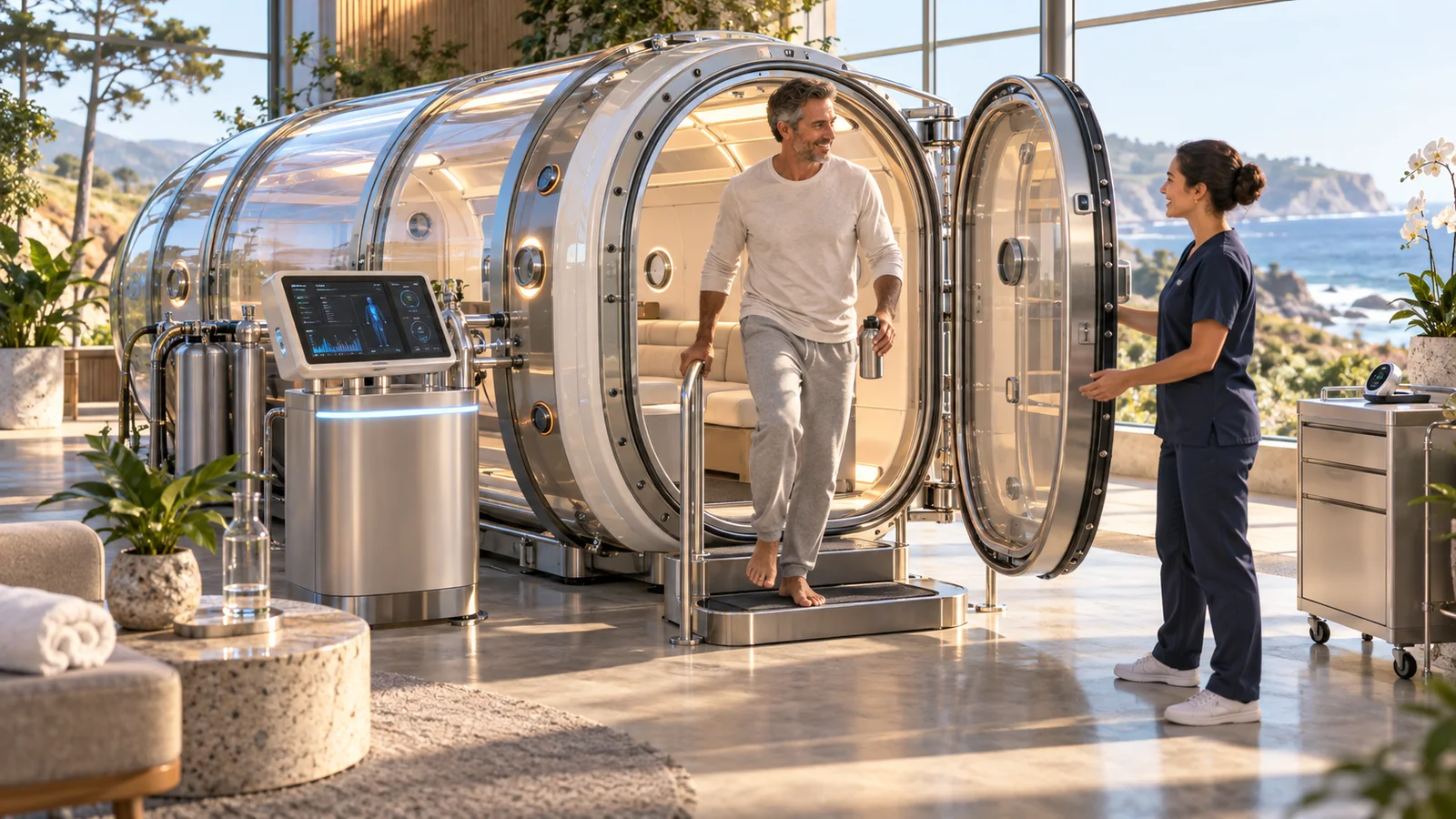
Concept design of an adult stepping out of a modular transparent chamber while a professional reviews the external monitoring screen.
Modular arrival and exit concept. The imagined monitoring equipment sits outside the chamber.

60 Days Set in Stone gives the research a human interior

The hyperbaric oxygen therapy song imagines sixty sessions of pressure, measurement, reflection and digital-twin formation. Its arc gives the research a vivid question: how does a sustained, personally meaningful experience change what people notice and measure over time?

Art beside evidence
Top