Local people check screens, refresh posters, test touch, report faults and keep the physical layer trusted.
People layer
Ready S.E.T. Co-op could keep the pilot cared for.
Screens stay useful when people care for them. Ready S.E.T. Co-op and Hyperlocal Media could supply the training, content rhythm, screen checks, local reporting, cloud AI review workflows and small paid work pathways that keep a future kiosk and noticeboard layer alive.
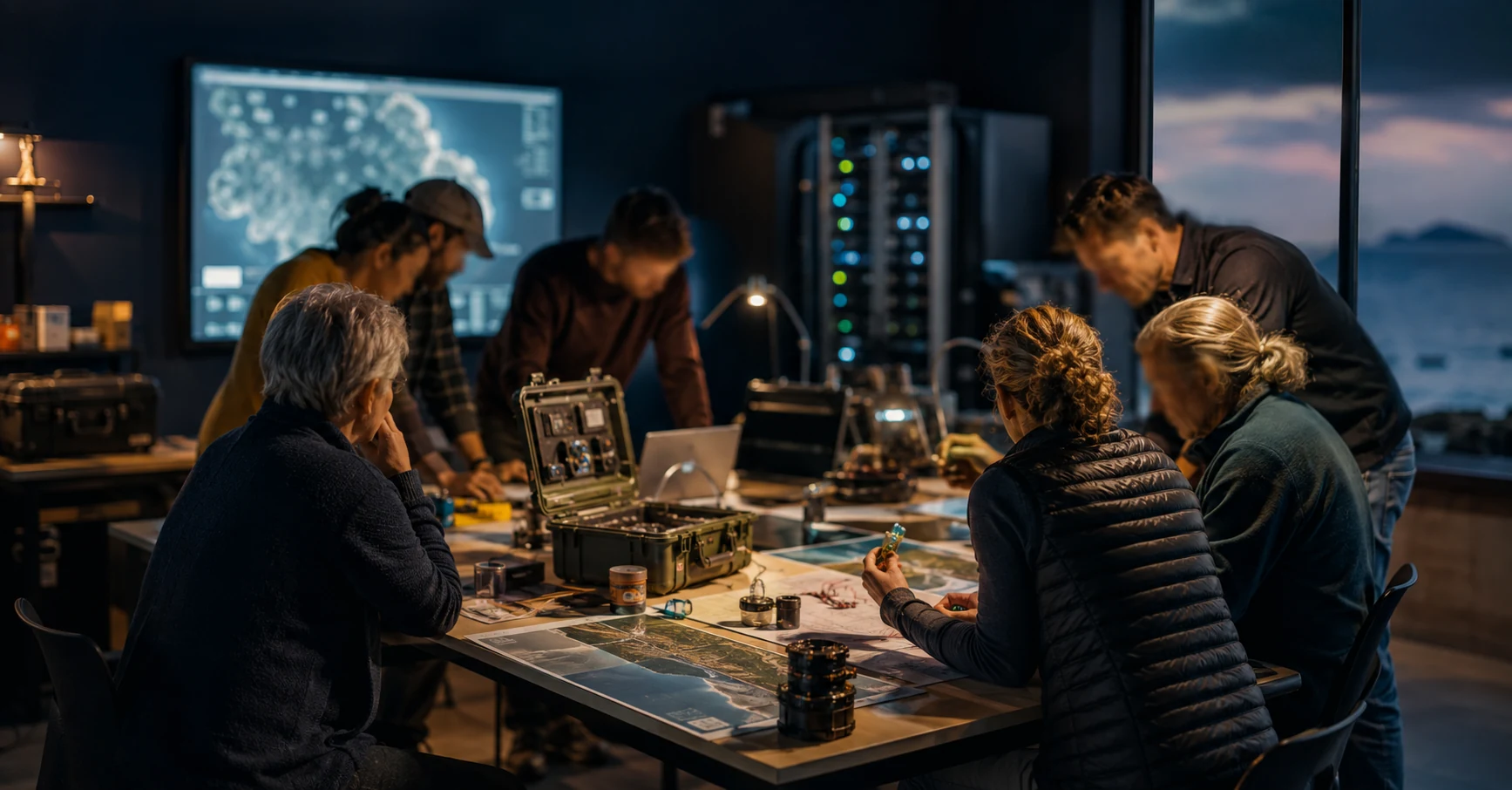
Local capability
Every new screen creates local work.
A future screen layer would need people to collect notices, check facts, photograph events, clean screens, test touch overlays, restart the small boxes behind the screens, update software, review expired content, use cloud AI carefully, interview locals and explain the system to venues.
That work can become training, volunteer pathways, paid micro-jobs, youth media practice, repair literacy and community evidence for grants.
Ready S.E.T. Co-op crews collect interviews, event notes, weather stories, project updates and screen-ready summaries.
Support venues and project teams to shape readable Markdown files, draft publishing boundaries and reusable public updates.
Reference patterns
A living pattern library is taking shape.
The related repos are a workshop of useful Markdown shapes for noticeboards, grants, profiles, private context, media assets, market packets, honour boards and civic ledgers.
public_noticeboard.mdThe noticeboard repo tests a public publisher file beside profile.md and private aura.md context, with screen targets, device locations, backup display behaviour and approved public notice types.
The Grants Lab connects business-profile.md, grant-readiness.md and milestone-report.md so project facts, public updates and evidence can grow from a shared starting point.
profile.md can act as a public doorway. aura.md is deeper private AI context. Screen and cloud AI workflows can keep that distinction visible.
asset-list.md, shared-assets.md, equipment-wishlist.md and upgrade-roadmap.md can describe media gear, screen needs, power needs and future builds.
The night-market notes sketch small records with host, place, season, transport, projection fit, food layer, open questions, source links and expiry dates.
Club and project honour boards can explore opt-in public thanks for pledges, volunteer time, in-kind help, local media moments and supporter records.
P4A experiments with private noticeboards, public noticeboard contracts, media assets, milestone reports, contribution summaries and local civic fronts.
Permissioned AI can draft, summarise, translate and reformat from approved Markdown files, while people still choose what becomes public.
Ready S.E.T. Co-op
Ready S.E.T. Co-op means ready to move.
Ready S.E.T. Co-op keeps the ready-set-go energy while the S.E.T. layer carries the employment and training pathway underneath. The pilot could become a practical classroom where people learn by doing: building pages, checking sources, assembling screen kits, handling simple media, supporting venues and documenting public outcomes.
Hyperlocal Media
Stories become infrastructure.
Local media can become a trust layer: explaining what the proposed system is for, why it matters, how people can join, what is being tested and who helped make it happen.
Closed loop
Notice, media, ledger, repair.
A future workflow might start anywhere: a venue notice, grant-readiness note, profile update, market packet, sensor summary or honour-board contribution. Ready S.E.T. Co-op could help turn the chosen file into screen copy, a story, a training note, a grant evidence note or a maintenance task.
The opportunity is to make useful local records that humans can read and AI assistants can help shape, while the public-sharing boundary stays visible.