Music, markets, workshops, sport, club days, training sessions, talks, art windows and community meetings.
Permissioned publishing
Any venue can become a trusted local signal point.
A cafe, club, shop, ferry doorway, museum, sports room, market stall or community hall could contribute useful local records through a clear Markdown builder, a human review habit and a visible public-sharing boundary.
What venues can send
Small useful updates beat noisy feeds.
The shared publishing layer can reward clear, useful and time-aware content. A short good notice is better than a busy screen that nobody trusts.
Volunteers wanted, skills offered, pickup points, tool loans, repair days, food calls and project support needs.
Weather observations, beach notes, ferry pressure, road disruptions and broad timing advice with source links.
Story leads, interview offers, local heroes, before-and-after updates and public project evidence.
Approved, source-linked notes displayed with links back to official channels and clear review status.
Support details, draft claims, cultural permissions, personal data and review pathways can stay in the private working layer until deliberately shared.
Possible publishing flow
Capture once. Reuse carefully.
Markdown keeps the system human-readable. Local agents and cloud AI can help transform a file into slides, web snippets, captions and kiosk notices, while the venue or project owner still decides what can be public.
The venue or project team starts with a notice, profile, grant note, asset list, honour-board idea or event packet.
A person reviews dates, wording, contact details, images, source links and the parts that belong in public.
Local tools or permissioned cloud AI can turn an approved file into screen, web, phone, poster and media versions.
The update can appear on the venue screen, a proposed island screen layer, a kiosk rotation or a hyperlocal media page.
Expiry dates, correction paths and archive notes help keep the screen timely after the moment has passed.
Builder family
The `.md` files are the quiet architecture.
The builder family is still evolving. The useful pattern is a loose family of small, readable files: noticeboards, business profiles, grant readiness notes, shared asset lists, equipment wishlists, event packets, milestone reports and supporter records.
Each file can mark what is public, what needs permission and what stays in the working notes. Public updates can carry source, date, expiry, approval owner and display limits where those fields make sense.
Public noticeboard builder
Create a screen-ready public_noticeboard.md draft for a venue, group or project.
Connect profile.md, aura.md, business-profile.md, grant-readiness.md and milestone-report.md.
Prepare public facts, offers, links and approval details for grants, profiles and screens.
Shared assets builderMap equipment, media gear, locations, storage and support needs for local crews.
Honour-board and ledger pathExplore opt-in public recognition for support, volunteer time, pledges, receipts and project milestones.
P4A civic-builder cousinsAdjacent public noticeboard contracts, private working notes, media assets, milestone reports and contribution-summary experiments.
Venue role
The venue is more than a screen host.
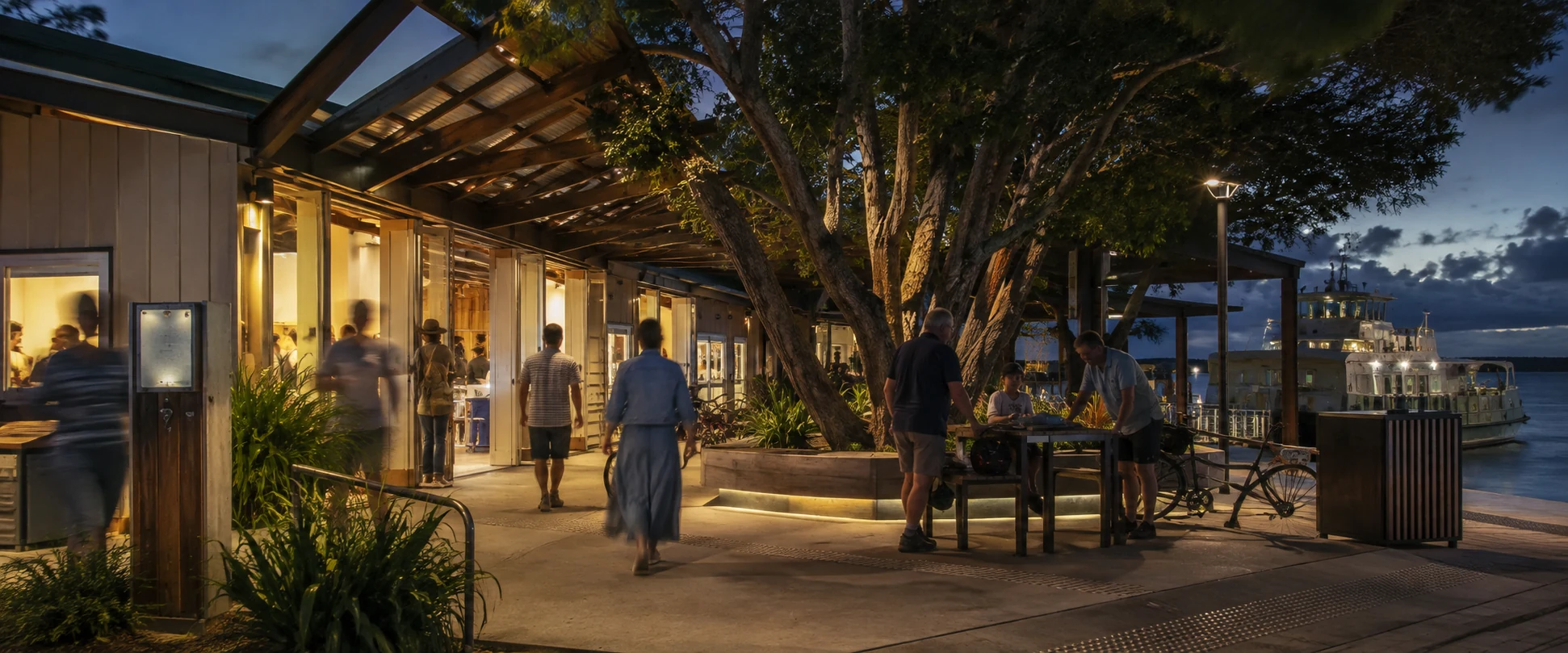
It can be a local publishing doorway. A venue might approve its own updates, host a screen, keep local notices fresh, sponsor a beach or weather camera point, offer charging in an outage or become a pickup point for local project gear.
Shared layer
The publishing layer can make review easy.
Templates, expiry dates, source fields, screen previews, correction links and local media support can help venues contribute while keeping hold of their public identity.