
Context and repair
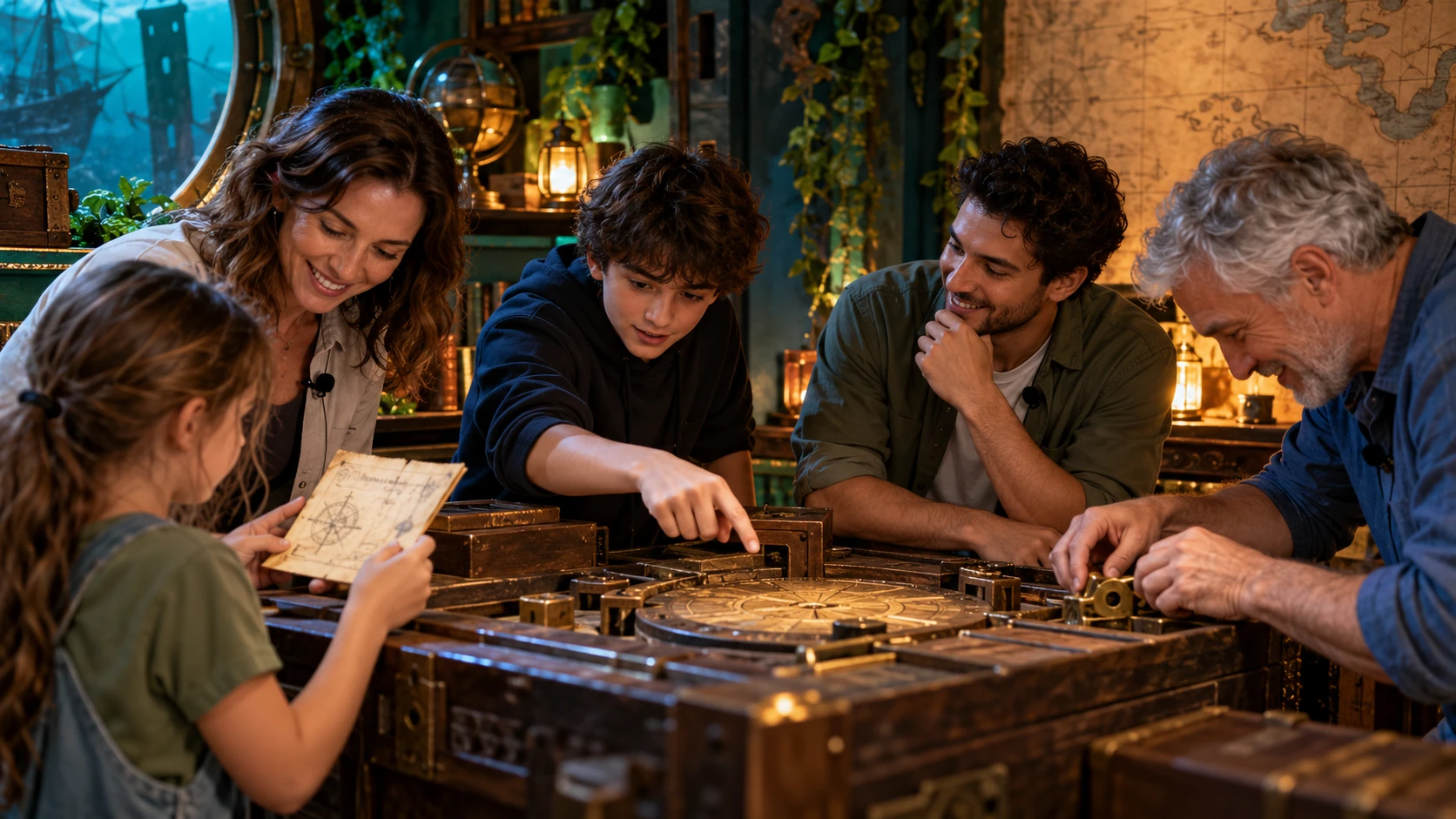
Recorded play gives a shared event to examine after the game. Review words alongside surrounding turns, task state and participant accounts. Computational analysis can identify candidate moments; people check attribution and meaning.
| Pattern | Example | Reflection focus |
|---|---|---|
| Blame | This is all your fault. | Events, information and responsibility. |
| Contempt | You are useless. | Effect of a judgement about the person. |
| Global label | You always ruin everything. | Specific event versus identity claim. |
| Exclusion | Nobody asked you. | Contribution attempted and response. |
| Pressure | Do it my way or you are out. | Choices, agreement and boundaries. |
| Self-judgement | I am stupid. | Difficulty treated as identity. |
| Premature hopelessness | Nothing will work. | Evidence and untried options. |
| Silencing certainty | Obviously I am right. | Alternative explanations considered. |
| Deflection | It was only a joke. | Intention, reception and repair. |
Anger, criticism, refusal and firm boundaries can be appropriate. Profanity alone is not a measure of harm. Culture, banter and the participants' interpretations matter. Quiet participation may include reading, making or thinking. Participants can correct the record.
Vocabulary and rehearsal
| Starting expression | Alternative to rehearse after play |
|---|---|
| You never listen. | I have not finished the instruction. Can I finish, then hear your idea? |
| I cannot do anything. | I am stuck here. I can explain what I tried. |
| That is stupid. | I see a timing problem. What if the first step takes longer? |
| Just do it. | Are you willing to take this part? What do you need? |
| Fine whatever. | I will support that choice and want to record one concern. |
The event supplies a reason to learn distinctions such as assumption, evidence, uncertainty, consent and repair. Reflection selects moments, checks accounts, rehearses alternatives and identifies a later application. Sensitive individual material needs a private setting.
Progression and transfer
| Stage | Possible task focus | Application beyond the room |
|---|---|---|
| Primary years | Shared clues, construction and resources | Turn-taking, specific requests, fairness and repair. |
| Adolescence | Disputed information and peer situations | Evidence, pressure, boundaries and disagreement. |
| Early adulthood and work | Handover, travel, unfamiliar services and deadlines | Negotiation, checking requirements and accountability. |
| Families and generations | Shared plans and care preferences | Listening across differences and fair contribution. |
| Later life | Changed routines and community decisions | Directing assistance, adapting and mentoring. |
Version choice follows interests, readiness and access needs. Adjust text, pace and sensory load while retaining adult themes for adults. School designs can map to the Personal and Social capability continuum.
A participant chooses a skill to try in another room or real setting. A later task tests independent use; a positive debrief alone does not establish transfer. Personal Aura continuity retains the goals and examples the person chooses. Group clips require the permissions of the people included.